Low Glycemic Index Foods to Eat Everyday for Stable Energy Levels

If you have ever felt a sudden “3 p.m. slump,” characterized by brain fog, irritability, and a desperate craving for caffeine or sugar, you have experienced the “blood sugar rollercoaster.” This cycle is the result of consuming high-glycemic foods that cause a rapid spike in blood glucose, followed by an aggressive insulin response that sends your levels crashing below baseline.

To achieve sustained, all-day energy, the goal is not to eliminate carbohydrates, but to choose those that have a Low Glycemic Index (GI). By understanding how to flatten your glucose curve, you can provide your brain and muscles with a steady stream of fuel, eliminating the highs and lows that derail productivity.

The Science of the Spike: GI vs. GL

The Glycemic Index (GI) is a ranking of carbohydrates on a scale from 0 to 100 based on how quickly they raise blood glucose levels after eating.

  • High GI

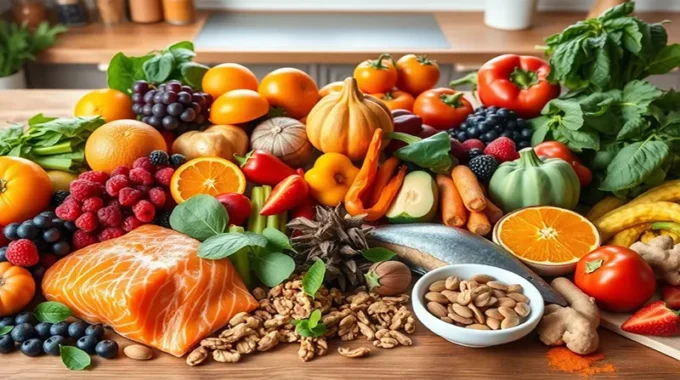
Daily Anti-Inflammatory Foods to Eat for Joint Health and Longevity

Joint health is often something we take for granted until the first signs of stiffness or discomfort appear. While wear and tear are natural parts of aging, the speed and severity of joint degradation are heavily influenced by systemic inflammation. To maintain mobility into our later decades, we must distinguish between acute inflammation—a necessary healing response—and chronic, low-grade inflammation, which acts like “biological rust” on our cartilage and connective tissues.

By intentionally selecting foods that inhibit inflammatory pathways and provide the raw materials for tissue repair, we can protect our chondrocytes (cartilage cells) and preserve the integrity of our joints for the long term.

The Anatomy of Inflammation: From Healing to Harm

In a healthy joint, cartilage acts as a frictionless shock absorber, supported by synovial fluid that provides lubrication. However, chronic systemic inflammation triggers the release of pro-inflammatory cytokines, such as TNF-alpha and Interleukin-6.

These molecules activate the …

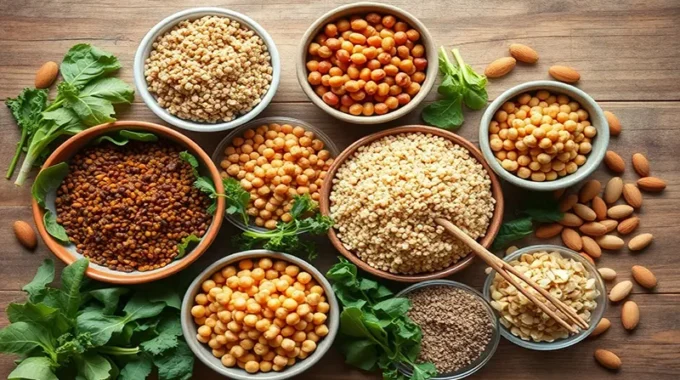
Complete Protein Plant-Based Foods to Eat Everyday for Muscle Health

The myth that muscle can only be built with animal-derived protein is rapidly being dismantled by both sports science and elite athletes. However, building and maintaining muscle on a plant-based diet does require a more nuanced understanding of protein quality. Unlike animal proteins, which are almost universally “complete,” plant proteins vary in their amino acid structures.

To optimize muscle health, you must focus on two things: ensuring a full spectrum of Essential Amino Acids (EAAs) and hitting the Leucine Threshold. By prioritizing specific “complete” plant foods, you can trigger muscle protein synthesis just as effectively as with traditional sources.

The Amino Acid Blueprint: Why “Complete” Matters

Protein is made up of 20 amino acids. While the body can synthesize some of them, there are 9 Essential Amino Acids (EAAs) that must come from your diet.

A “complete” protein is a food source that contains all nine of these EAAs …

Best Microbiome-Friendly Fermented Foods to Eat Daily for Mental Clarity

The old adage “you are what you eat” is undergoing a neurological upgrade. We now know that the gut and the brain are inextricably linked via the gut-brain axis, a bidirectional communication network that relies heavily on the trillions of bacteria living in your digestive tract.

When this “second brain” is out of balance, the first brain suffers. We experience this as brain fog, difficulty concentrating, and mood swings. However, one of the most effective ways to sharpen your mental edge is through the strategic consumption of fermented foods. These are not just digestive aids; they are “brain foods” that produce the neuro-compounds required for peak cognitive performance.

The Gut-Brain Superhighway

The primary physical link between the gut and the brain is the Vagus Nerve. This cranial nerve acts as a biological fiber-optic cable, sending constant updates from the gut lining to the brain’s emotional and cognitive centers.…

Top-Rated Health Insurance Plans in Pennsylvania for Seniors on a Fixed Income Needing Comprehensive Prescription Drug Coverage

As we age, the importance of having quality health insurance becomes even more crucial, especially for seniors living on a fixed income. In Pennsylvania, there are several top-rated health insurance plans that cater specifically to the needs of seniors who require comprehensive prescription drug coverage. Let’s take a closer look at some of the best options available to help seniors make an informed decision.

Highmark Blue Cross Blue Shield:

Highmark offers a range of Medicare Advantage plans that include prescription drug coverage. Their plans often provide a wide network of providers and comprehensive benefits tailored to seniors’ needs. Highmark also offers tools and resources to help seniors manage their medications effectively.

Aetna:

Aetna is another reputable insurance provider that offers Medicare Advantage plans with prescription drug coverage in Pennsylvania. Seniors can benefit from Aetna’s wide network of pharmacies and affordable copayment options for prescription medications.

UPMC Health Plan