

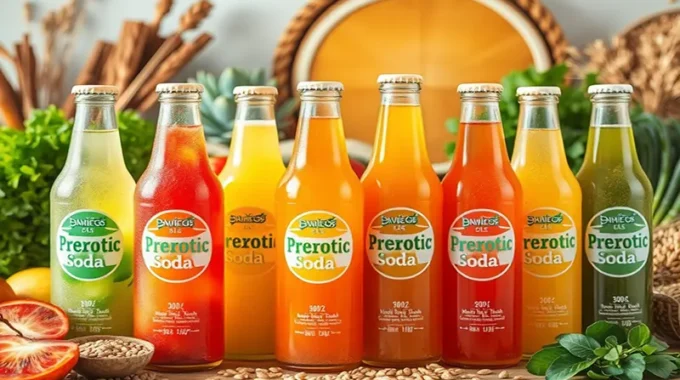
For decades, the “soda aisle” has been synonymous with metabolic decline. Traditional sodas, loaded with high-fructose corn syrup, phosphoric acid, and artificial dyes, have long been identified as a primary driver of insulin resistance and gut dysbiosis. However, a seismic shift is occurring in the beverage industry. We are witnessing the “Death of the Sugar Bomb” and the birth of a new category: Functional Prebiotic Soda.
These beverages are not just “healthier” alternatives; they are engineered tools designed to bridge the modern fiber gap while utilizing the science of the microbiome to regulate appetite and strengthen the gut barrier.
What is a Prebiotic Soda?
To understand these drinks, we must distinguish between probiotics and prebiotics.
- Probiotics are the live, beneficial bacteria that reside in your gut.
- Prebiotics are the specialized plant fibers that act as “food” for those bacteria.
A prebiotic soda is a carbonated beverage infused with these plant fibers—most commonly inulin—along with botanicals and organic acids. Unlike traditional soda, which provides empty calories that spike blood sugar, prebiotic sodas provide “fuel” for your inner ecosystem, turning a sugary indulgence into a metabolic asset.
The Science of Satiety: How Fiber Signals Fullness
One of the most profound benefits of fiber-rich sodas is their ability to induce natural satiety. This is achieved through two primary mechanisms:
1. Hormonal Signaling (GLP-1 and PYY)
When prebiotic fiber reaches the lower intestine, it is fermented by bacteria. This fermentation process triggers the release of specific satiety hormones: Glucagon-like peptide-1 (GLP-1) and Peptide YY (PYY). These hormones signal to the brain that you are full and tell the stomach to slow down the rate of gastric emptying. This is the same biological pathway targeted by modern weight-management medications, but achieved through nutrition.
2. Blood Sugar Blunting
Traditional soda causes a rapid glucose spike followed by a “crash,” which triggers hunger and cravings. The soluble fiber in prebiotic sodas slows the absorption of any sugars present, resulting in a stable, flat glucose curve. This prevents the “insulin roller coaster” that often leads to overeating.
Key Functional Ingredients
What exactly is inside that sparkling can? Most leading prebiotic sodas rely on a specific “gut-health stack”:
- Inulin (Chicory Root & Jerusalem Artichoke): A soluble fiber that is highly effective at feeding Bifidobacteria, which are crucial for immune function.
- Apple Cider Vinegar (ACV): Many prebiotic sodas include a small amount of ACV. Research suggests that the acetic acid in ACV can improve insulin sensitivity and help the body process carbohydrates more effectively.
- Nopal Cactus & Marshmallow Root: These mucilaginous botanicals are added to soothe the gut lining and reduce inflammation.
- Apple Fiber: Provides a gentle source of pectin, which supports the growth of Akkermansia, a “keystone” bacteria associated with a healthy metabolic rate.
Bridging the “Fiber Gap”
The modern diet is severely fiber-deficient. While the recommended daily intake is 25g for women and 38g for men, the average person consumes only about 15g. This is known as the “Fiber Gap.”
A single prebiotic soda typically contains between 5g and 9g of dietary fiber. By swapping one traditional soda (or even a sparkling water) for a prebiotic version, a consumer can meet nearly 25% to 30% of their daily fiber requirement in one refreshing drink.
Comparison: Traditional vs. Prebiotic Soda
| Feature | Traditional Soda | Prebiotic Soda |
| Primary Sweetener | High-Fructose Corn Syrup | Stevia, Monk Fruit, or Fruit Juice |
| Fiber Content | 0g | 5g – 9g |
| Impact on Gut | Damages Microbiome | Feeds Beneficial Bacteria |
| Satiety Level | Causes Hunger Crashes | Promotes Fullness (GLP-1) |
| Glycemic Index | Very High | Very Low |
Postbiotics: The Power of Butyrate
When the prebiotics in these sodas are fermented, your gut bacteria produce Short-Chain Fatty Acids (SCFAs), primarily Butyrate. Butyrate is the preferred energy source for the cells lining your colon. By keeping these cells healthy, butyrate helps prevent “leaky gut” (intestinal permeability), ensuring that toxins stay in the gut and out of the bloodstream. This reduces systemic inflammation, which is often the root cause of “brain fog” and metabolic sluggishness.
Consumer Guide: How to Read the Label
While the prebiotic soda category is overwhelmingly positive, not all cans are created equal. When choosing a brand, look for the following:
- Hidden Sugars: Some brands claim to be “gut healthy” but still contain 15g+ of added sugar. Look for brands with 5g or less.
- Sweetener Sensitivity: Some sodas use Erythritol or high amounts of Stevia. While safe, these can cause bloating or a metallic aftertaste for some individuals.
- The “Low and Slow” Rule: If your body isn’t used to fiber, the 9g of inulin in a prebiotic soda might cause some initial gas. Start with half a can to let your microbiome adjust to the new “buffet” you’re providing.
Summary: A Refreshing Daily Ritual
The rise of fiber-rich prebiotic sodas represents a turning point in nutrition. We are moving away from the idea that a drink is either “guilty” or “boring.” By combining the nostalgic joy of a sparkling beverage with the scientific rigor of microbiome support, prebiotic sodas offer a simple, delicious way to regulate appetite, stabilize blood sugar, and cultivate a thriving internal ecosystem.