
Joint health is often something we take for granted until the first signs of stiffness or discomfort appear. While wear and tear are natural parts of aging, the speed and severity of joint degradation are heavily influenced by systemic inflammation. To maintain mobility into our later decades, we must distinguish between acute inflammation—a necessary healing response—and chronic, low-grade inflammation, which acts like “biological rust” on our cartilage and connective tissues.
By intentionally selecting foods that inhibit inflammatory pathways and provide the raw materials for tissue repair, we can protect our chondrocytes (cartilage cells) and preserve the integrity of our joints for the long term.
The Anatomy of Inflammation: From Healing to Harm
In a healthy joint, cartilage acts as a frictionless shock absorber, supported by synovial fluid that provides lubrication. However, chronic systemic inflammation triggers the release of pro-inflammatory cytokines, such as TNF-alpha and Interleukin-6.
These molecules activate the NF-kB pathway, a master switch that tells the body to break down its own tissues. Over time, this results in the thinning of cartilage and the degradation of the synovial membrane. The following “Anti-Inflammatory Superstars” work by turning this switch off and neutralizing the oxidative stress that fuels joint pain.
The “Big Three” Joint Protectors
1. Curcumin (Turmeric)
Curcumin is the active compound in turmeric and one of the most studied natural anti-inflammatories in existence. It functions as a natural COX-2 inhibitor, targeting the same enzyme that many over-the-counter pain relievers do, but without the gastrointestinal side effects.
- The Bioavailability Rule: Curcumin is notoriously difficult for the body to absorb. To make it effective, it must be consumed with black pepper (piperine), which increases absorption by up to 2,000%, and a healthy source of fat.
2. Omega-3 Fatty Acids (EPA & DHA)
Modern diets are often dangerously high in Omega-6 fatty acids (found in many seed oils), which can promote inflammation. Omega-3s, specifically EPA and DHA, act as the direct counterbalance. They interfere with the production of inflammatory prostaglandins and have been shown to reduce morning stiffness and joint tenderness.
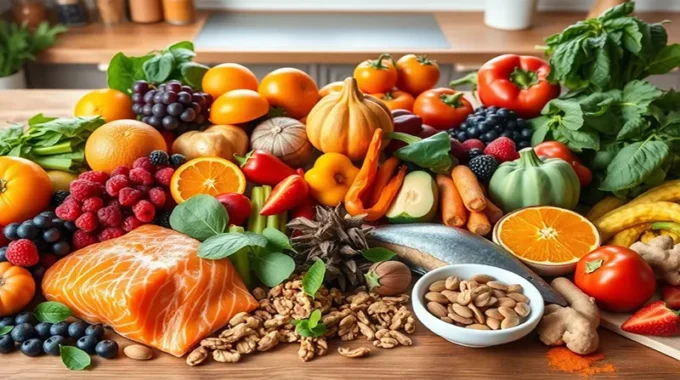
- Sources: Wild-caught salmon, sardines, walnuts, and chia seeds.
3. Anthocyanins (Berries & Tart Cherries)
The deep pigments in blueberries, blackberries, and especially tart cherries are caused by anthocyanins. These antioxidants have been shown to lower C-reactive protein (CRP), a key marker of systemic inflammation. Tart cherry juice, in particular, is highly effective at managing uric acid levels, providing significant relief for those prone to metabolic-related joint flare-ups.
Sulfur and Collagen Support: The Building Blocks
Joints are primarily made of collagen, and collagen requires sulfur to maintain its structure and cross-linking strength.
- Cruciferous Vegetables: Broccoli, cauliflower, and Brussels sprouts contain sulforaphane. Research indicates that sulforaphane can block the enzymes that cause joint destruction in patients with osteoarthritis.
- Allium Vegetables: Garlic, onions, and leeks are rich in diallyl disulfide, which may limit the amount of cartilage-damaging enzymes in human cells. They also support the production of glutathione, the body’s master antioxidant.
Polyphenols: The Biological Lubricants
Certain oils and teas act as more than just fuel; they act as “joint lubricants” at a cellular level.
- Extra Virgin Olive Oil (EVOO): High-quality EVOO contains a phenolic compound called oleocanthal. In clinical studies, oleocanthal has shown a similar anti-inflammatory effect to ibuprofen.
- Green Tea (EGCG): The polyphenols in green tea, specifically EGCG, have been shown to protect cartilage by inhibiting the expression of genes that cause joint damage.
The “Joint Villains”: What to Avoid
No amount of turmeric can outrun a pro-inflammatory diet. To protect your joints, minimize these triggers:
- Refined Sugars: These trigger the release of cytokines.
- Trans Fats: Found in processed snacks, these provoke systemic inflammation.
- Excessive Alcohol: Alcohol can increase gut permeability, allowing inflammatory markers to enter the bloodstream.
A Day of “Joint Juxtaposition”: Sample Meal Plan
| Meal | Anti-Inflammatory Component | Benefit |
| Breakfast | Chia seed pudding with blueberries | Omega-3s and Anthocyanins. |
| Lunch | Large kale salad with sardines and EVOO | Sulfur, EPA/DHA, and Oleocanthal. |
| Snack | A cup of Green Tea (EGCG) | Cartilage-sparing polyphenols. |
| Dinner | Turmeric-roasted broccoli with salmon | Curcumin + Piperine and Sulforaphane. |
Sidebar: The Golden Milk Ritual
To get your daily dose of joint protection, try this evening ritual:
- Warm 1 cup of coconut milk.
- Stir in 1/2 tsp turmeric, a pinch of black pepper, and a small piece of fresh ginger.
- Add a touch of raw honey.
This “Golden Milk” helps lower inflammation markers while you sleep, ensuring you wake up with less stiffness.
Summary: Longevity Through Nutrition
Longevity is not just about living a long time; it is about maintaining the mobility to enjoy those years. By incorporating these anti-inflammatory foods daily, you are effectively “greasing the gears” of your musculoskeletal system. Consistency is the key—small, daily choices like adding garlic to your dinner or berries to your breakfast compound over time to create a resilient, inflammation-resistant body.