
If you have ever felt a sudden “3 p.m. slump,” characterized by brain fog, irritability, and a desperate craving for caffeine or sugar, you have experienced the “blood sugar rollercoaster.” This cycle is the result of consuming high-glycemic foods that cause a rapid spike in blood glucose, followed by an aggressive insulin response that sends your levels crashing below baseline.
To achieve sustained, all-day energy, the goal is not to eliminate carbohydrates, but to choose those that have a Low Glycemic Index (GI). By understanding how to flatten your glucose curve, you can provide your brain and muscles with a steady stream of fuel, eliminating the highs and lows that derail productivity.
The Science of the Spike: GI vs. GL
The Glycemic Index (GI) is a ranking of carbohydrates on a scale from 0 to 100 based on how quickly they raise blood glucose levels after eating.
- High GI (70+): White bread, jasmine rice, sugary cereals.
- Medium GI (56-69): Whole wheat bread, honey, bananas.
- Low GI (55 or less): Steel-cut oats, lentils, non-starchy vegetables.
However, a more accurate measurement is Glycemic Load (GL), which accounts for the amount of carbohydrate in a typical serving. For example, watermelon has a high GI but a very low GL because it is mostly water. For stable energy, we want to prioritize foods that are low in both.
The “Glucose Vest”: Buffering Your Energy
One of the most effective ways to stabilize energy is to never eat “naked” carbohydrates. When you wrap your carbs in a “vest” of fiber, protein, and healthy fats, you slow down gastric emptying and the subsequent absorption of sugar.
- Fiber: Acts as a physical barrier in the gut.
- Protein & Fat: Stimulate the release of cholecystokinin (CCK), which slows down the speed at which food leaves the stomach.
The Daily Low-GI Essentials
To maintain a flat glucose curve, integrate these four categories into your daily routine.
1. Legumes (The Ultimate Energy Anchor)
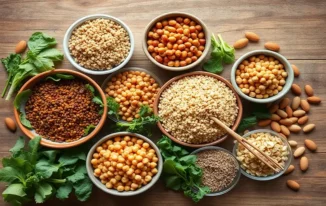
Lentils, chickpeas, and black beans are arguably the best foods for stable energy. They have a unique “second-meal effect,” where the fermentation of their fiber in the gut improves glucose tolerance not just for that meal, but for the next meal as well.
2. Steel-Cut Oats and Ancient Grains
Unlike “instant” oats, which are pre-cooked and thin, steel-cut oats are minimally processed. This means your body has to work harder to break them down, leading to a slow, controlled release of energy. Buckwheat and pearl barley are also excellent low-GI swaps for white rice or pasta.
3. Berries and Stone Fruits
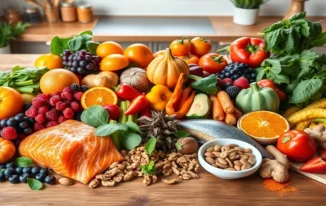
If you have a sweet tooth, berries (blueberries, raspberries, strawberries) are the gold standard. They are high in fiber and polyphenols, which have been shown to improve insulin sensitivity. Cherries and green apples are also low-GI options that won’t cause a mid-afternoon crash.
4. Cruciferous Vegetables
Broccoli, cauliflower, and Brussels sprouts are so low in calories and high in fiber that they have a negligible glycemic load. They provide the volume needed for satiety without impacting your blood sugar levels.
The “Order of Operations”: Food Sequencing
A revolutionary way to manage your energy is to change the order in which you eat the food on your plate. Research shows that eating your food in the following sequence can reduce the glucose spike of a meal by up to 75%:
- Fiber First: (Salad or vegetables)
- Protein and Fats Second: (Meat, tofu, nuts, or avocado)
- Starches and Sugars Last: (Rice, potatoes, or fruit)
By the time the starches hit your stomach, the fiber and protein have already created a “mesh” that prevents the glucose from hitting your bloodstream all at once.
Hidden High-GI Culprits
Many “health” foods are actually high-GI triggers in disguise:
- Rice Cakes: Pure starch with almost no fiber; very high GI.
- Tropical Fruits: Mangoes, pineapples, and papayas are much higher in sugar than temperate fruits.
- Oat Milk: The processing of oat milk often breaks down complex starches into maltose, a simple sugar with a high GI.
A “Steady-State” Day on a Plate
| Meal | Food Items | Why it Works |
| Breakfast | Steel-cut oats with walnuts and chia seeds | High fiber + healthy fats to buffer the oats. |
| Lunch | Lentil soup with a side of greens and avocado | The “second-meal effect” of legumes for afternoon focus. |
| Dinner | Roasted salmon with broccoli and a small side of quinoa | Protein-first sequencing with a low-GI pseudocereal. |
Daily GI Scorecard
| Food Type | Low GI (Swap To) | High GI (Limit These) |
| Grains | Quinoa, Barley, Buckwheat | White Rice, Couscous, White Pasta |
| Breakfast | Steel-cut oats, Greek Yogurt | Instant Oatmeal, Cornflakes |
| Snacks | Almonds, Hummus & Veggies | Pretzels, Rice Cakes, Crackers |
| Vegetables | Sweet Potato, Leafy Greens | Mashed Potatoes, Parsnips |
Summary: Stability Over Speed
Stable energy is the foundation of high performance. When you prioritize low-GI foods and mindful food sequencing, you stop the cycle of cravings and fatigue. You move away from the “quick fix” of simple sugars and toward a metabolic state where your brain and body are consistently fueled. Start by making one “low-GI swap” per day, and observe how your focus and mood transform.