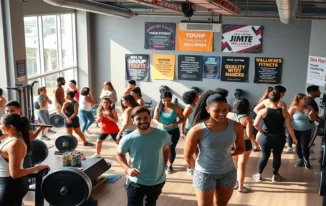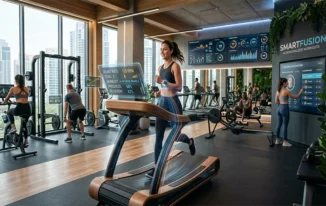

For decades, the fitness industry has operated under a “musculoskeletal-first” paradigm. The metrics of success were external: pounds lifted, miles run, or inches lost. In this model, the body is treated like a mechanical machine, and the mind is simply the “driver” pushing it toward exhaustion.
However, a revolutionary shift is occurring. We are entering the era of the Neurowellness Gym—a facility that recognizes that the brain is the “Central Governor” of all human performance. In these spaces, the focus shifts from the muscle to the message; from the joint to the signal. By integrating somatic movement and nervous system recovery, these facilities are redefining what it means to be “fit” for the modern world.
Defining the Neurowellness Paradigm
The fundamental difference between a traditional gym and a Neurowellness facility lies in the hierarchy of training. In a Neurowellness model, we understand that the nervous system is the gatekeeper of all physical output. If the brain perceives a “threat”—whether from poor posture, old injuries, chronic stress, or visual imbalances—it will physiologically limit your strength, flexibility, and speed to protect you.
While a traditional gym asks, “How much can this muscle lift?” a Neurowellness gym asks, “Does the brain feel safe enough to let this muscle fire at 100%?” This “nervous system-first” approach ensures that we aren’t just layering fitness on top of dysfunction.
The Somatic Movement Pillar: Ending Sensory-Motor Amnesia
At the heart of Neurowellness is Somatic Movement. Unlike traditional stretching, which pulls on the muscle from the outside in, Somatics works from the inside out. It is based on the work of pioneers like Thomas Hanna and Moshe Feldenkrais.
The core problem Somatics addresses is Sensory-Motor Amnesia (SMA). This occurs when the brain loses the ability to fully relax certain muscles due to repetitive stress or trauma. These muscles stay “on” 24/7, leading to chronic tightness that no amount of stretching can fix.
The Somatic Difference:
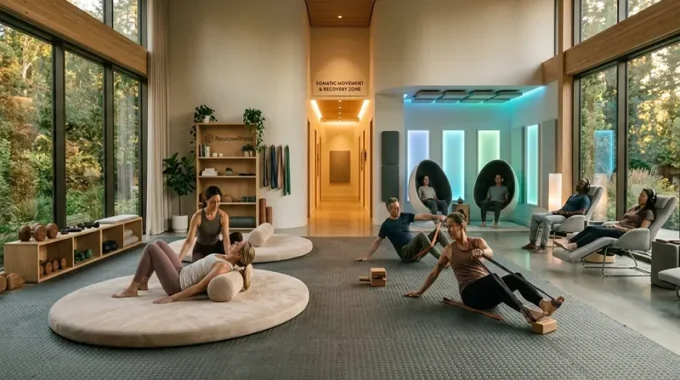
- Pandiculation: Instead of passive stretching, Neurowellness facilities teach “pandiculation.” This involves a conscious, slow contraction of a tight muscle followed by an even slower, controlled release. This “reboots” the feedback loop between the brain and the muscle.
- Brain-Body Mapping: Through tiny, mindful movements, members “map” their bodies in their motor cortex. This improves proprioception—your brain’s ability to know where your limbs are in space—which is the foundation of balance and injury prevention.
The Science of Nervous System Recovery
In a high-stress society, many individuals live in a state of chronic sympathetic (fight-or-flight) dominance. When the nervous system is “stuck” in this state, the body cannot repair tissue, regulate hormones, or digest nutrients effectively.
Neurowellness gyms prioritize Vagal Tone. The Vagus nerve is the “superhighway” of the Parasympathetic Nervous System (PNS). High Vagal Tone is associated with emotional resilience, lower inflammation, and faster physical recovery.
Recovery Technologies in the Neurowellness Gym:
- Vagus Nerve Stimulation: Utilizing breathwork, humming, and specific cold-exposure protocols to “tone” the nerve.
- Biometric Feedback: Members often wear Heart Rate Variability (HRV) monitors to determine if their nervous system is ready for high-intensity work or if they require a “downregulation” session.
- Sensory Deprivation & Sound Landscapes: Using specific frequencies (like 40Hz gamma or low-frequency binaural beats) to shift the brain from “High Beta” (stress) into “Alpha” or “Theta” (relaxed/creative) states.
Inside the Session: Sample Programming
A session at a Neurowellness gym looks strikingly different from a CrossFit WOD or a standard yoga class. A typical 60-minute “Neuro-Flow” might include:
1. Brain Hygiene & Vestibular Drills (10 Minutes)
Before lifting a weight, members calibrate their “input” systems. This includes:
- Vestibular Drills: Small head movements to stimulate the inner ear (the balance center).
- Visual Convergence: Exercises to ensure both eyes are tracking together, reducing the “threat” signal to the brain that often causes neck tension.
2. Somatic Pandiculation (20 Minutes)
Members lie on mats and perform slow, “yawn-like” movements for the back, waist, and hips. By consciously contracting and then very slowly releasing these large muscle groups, they clear out the SMA that accumulates during a day of sitting at a desk.
3. Interoception Drills (10 Minutes)
Interoception is the sense of the internal state of the body. Members practice “tuning in” to their heartbeat, breath, or even the feeling of their skin. Research shows that higher interoceptive awareness leads to better emotional regulation and less chronic pain.
4. Grounded Loading (20 Minutes)
Once the nervous system is “clear,” functional movements (like squats or carries) are performed. However, the focus is on the quality of the signal. If the movement becomes jerky or the breath is held, the weight is lowered. The goal is “Neurological Integrity.”
Who is the Neurowellness Gym For?
This model is designed for three specific groups:
- The High-Performance Athlete: Athletes often hit plateaus because their “Central Governor” has capped their performance due to hidden neurological threats. Clearing these “glitches” in the vestibular or visual systems often leads to immediate gains in speed and power.
- The Chronic Pain & Burnout Population: For those with “Central Sensitization”—where the nervous system is over-reactive to pain—traditional exercise can be a trigger. Somatic movement offers a safe “on-ramp” to movement that doesn’t flare up the system.
- The Modern Professional: People dealing with high cognitive loads and “digital fatigue” need a place to downregulate. The Neurowellness gym acts as a “defrag” for the human brain.
The Gym of the Future
The “No Pain, No Gain” era is fading into the rearview mirror. As we move toward a deeper understanding of the human experience, the gym of the future will be a place of integration. It will be a facility where we don’t just “burn calories,” but where we refine our sensory inputs, calm our overactive minds, and reclaim the natural fluidity of our movements.
In a Neurowellness gym, the most impressive thing you can do isn’t lifting the heaviest plate; it’s having the most resilient, adaptable, and regulated nervous system in the room.