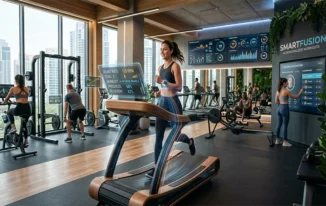

In the modern urban landscape, we are more digitally connected than ever, yet we are experiencing an epidemic of “social isolation.” For many, the traditional gym has unintentionally contributed to this, designed as a row of isolated silos where members wear noise-canceling headphones and avoid eye contact.
However, a new movement is reclaiming the gym as a vital “Third Space”—a location outside of home (the first space) and work (the second space) where human connection is the primary driver of health. By integrating social wellness into the fabric of fitness, community-focused gyms are proving that a strong support network is just as essential to longevity as a strong cardiovascular system.
The Longevity of Connection: Why Social Wellness Matters
Social wellness is not just a “nice-to-have” feature; it is a biological necessity. The famous Harvard Study of Adult Development, which has tracked individuals for over 80 years, concluded that the quality of our relationships is the strongest predictor of long-term health and happiness—surpassing cholesterol levels, IQ, and even genetic predispositions.
Similarly, research into “Blue Zones”—regions where people consistently live to 100—reveals that these centenarians share a common trait: “Moai,” or a committed social circle that provides emotional and physical support. Community-focused gyms act as a modern Moai, providing the social “glue” that keeps individuals engaged with their health goals for decades rather than weeks.
The Architecture of Community: Building a “Third Space”
A community-focused gym requires more than just friendly staff; it requires an intentional “Architecture of Community.” Traditional gyms maximize floor space for equipment, often leaving no room for interaction. In contrast, the community-centric model prioritizes “collision points”—areas designed specifically for members to linger.
Key Design Elements:
- The Lounge & Juice Bar: Instead of a cramped entryway, these gyms feature open seating, communal tables, and high-quality recovery stations that encourage post-workout conversation.
- Open Floor Synergy: Removing high partitions between equipment allows for natural “cross-talk” and a shared sense of energy.
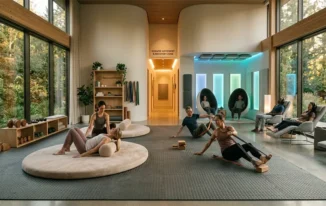
- The Recovery Hub: Shared sauna, cold plunge, or compression boot zones create a relaxed environment where members bond during the “down-regulation” phase of their workout.
The Power of Group Challenges
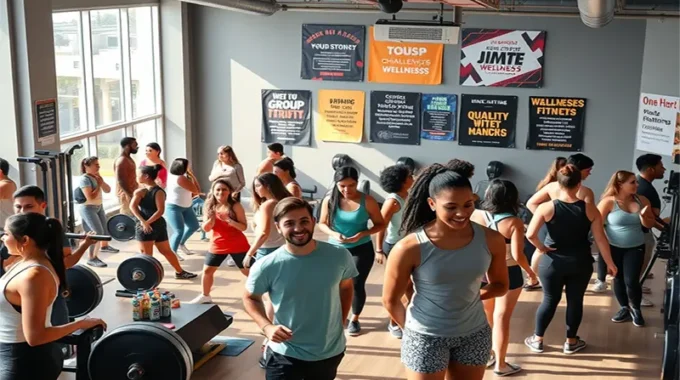
While solo workouts rely entirely on internal willpower, group challenges leverage the Köhler Effect. This psychological phenomenon occurs when a person works harder as a member of a group than they would when working alone, particularly when they feel their contribution is essential to the group’s success.
Types of Community Quests:
- Consistency Challenges: Rather than focusing on weight loss, these reward the “Streak.” Members earn points for checking in three times a week, shifting the focus to sustainable habits.
- Charity Kilometers: Tying physical effort to a social cause (e.g., “For every 100 miles biked, the gym donates to a local food bank”) creates a shared sense of purpose that transcends individual vanity.
- Skill-Based Quests: Group-wide goals like “The Summer of the Handstand” or “The 500lb Deadlift Club” encourage members to coach and cheer for one another.
Social Wellness Programming: Beyond the Workout
A community gym functions more like a social club where fitness is the common denominator. To foster deep bonds, the programming must extend beyond the weight room.
Sample Social Wellness Calendar:
| Day | Event | Purpose |
| Tuesday | Education & Elixirs | Nutrition workshop paired with healthy, social mocktails. |
| Thursday | The Mental Wealth Circle | Post-work guided breathwork and “check-in” group. |
| Saturday | Saturday Team Series | A partner-based workout followed by a community brunch. |
| Sunday | Sunday Ruck & Roast | An outdoor weighted walk (rucking) ending at a local coffee shop. |
Inclusivity and the “Buddy System”
The greatest risk to a community-focused gym is becoming “cliquey,” which can intimidate newcomers. To combat this, smart facilities implement a “Low-Stakes” Entry Protocol.
- The Onboarding Buddy: New members are paired with a “Gym Ambassador”—a long-term member whose role is to introduce the newcomer to others and show them the ropes.
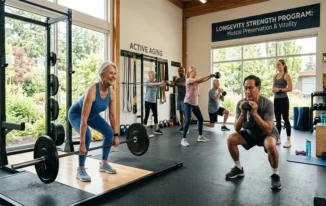
- Multigenerational Events: Designing events that appeal to different ages—from “Parents and Prams” workouts to “Senior Strength Socials”—ensures the community is diverse and resilient.
- The “First Name” Culture: Coaches are trained not just in biomechanics, but in social facilitation, ensuring they know every member’s name and connect people with similar interests.
The ROI of Community: Retention Through Connection
From a business perspective, community is the ultimate retention tool. In the fitness industry, “churn” (members quitting) is the biggest challenge. However, people rarely quit their friends.
When a member feels that their absence will be noticed by their peers, the “cost” of quitting becomes social, not just financial. Community-focused gyms typically enjoy retention rates significantly higher than big-box “low-cost” gyms because the value provided is emotional belonging, which cannot be commodified or easily replaced.
Summary: The Future is Social
As we look toward the future of fitness, the most successful facilities will be those that realize the “heavy lifting” happens both in the squat rack and at the communal table. By prioritizing social wellness, group challenges, and intentional community architecture, we can transform the gym from a chore into a highlight of the day—a place where we don’t just build better bodies, but better lives.